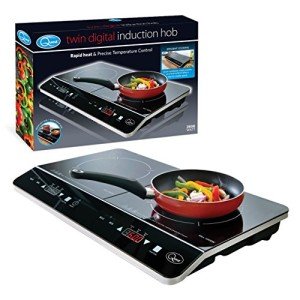
Induction Hob Precautions: Ensuring Safety and Efficiency
Induction cooking has actually transformed the cooking landscape by using quicker cooking times, exact temperature level control, and an energy-efficient alternative to traditional approaches. Nevertheless, with these modern home appliances come specific precautions that users should observe to ensure security and ideal performance. This post delves into the numerous precautions to take when utilizing an induction hob, intending to supply users with the understanding to enhance their cooking experience while preventing possible mishaps.
Understanding Induction Hobs
Before diving into precautions, it is necessary to comprehend what an induction hob is. Induction hobs use electromagnetic fields to heat pots and pans directly while keeping the hob surface area reasonably cool. This technique of cooking is not just energy-efficient however also enables rapid temperature modifications, making it a favorite among home cooks and professional chefs alike.
Security Precautions When Using an Induction Hob
While induction hobs are generally safe, users need to stay vigilant and comply with best practices. Here are some safety precautions to think about:
1. Appropriate Cookware Selection
Induction hobs work just with ferrous (magnetic) pots and pans. Here are the kinds of cookware suitable for induction cooking:
- Cast Iron: Excellent heat retention and circulation.
- Stainless Steel: Heavy-bottomed options normally work well.
- Carbon Steel: Similar advantages to cast iron, with lighter weight.
The following pots and pans products are not suitable for induction:
- Glass pots and pans
- Aluminum cookware (unless it has a magnetic base)
- Copper cookware
2. Keeping the Cooking Surface Clean
To preserve an effective induction hob, it is vital to keep the cooking surface clean:
- Wipe spills instantly to avoid them from baking onto the surface area.
- Use mild, non-abrasive cleaners to prevent scratching the glass surface area.
- Prevent cleaning up the hob while it's hot to avoid burns.
3. Ventilation
Despite the fact that induction cooking produces less heat, making sure that the kitchen area is well-ventilated is important:
- Open windows or use exhaust fans to disperse steam and smells.
- Maintain air flow to avoid overheating the appliance.
4. Prevent Blocking Ventilation Vents
The majority of induction hobs come with ventilation systems. It's essential not to block these vents during operation:
- Ensure there's at least a couple of inches of space around the hob.
- Avoid positioning things on top of or around the hob that could block air flow.
Electrical Precautions
Managing electrical devices needs specific precautions to ensure user security. Here are some tips to think about:
- Check Wiring: Ensure that the induction hob's outlet can manage its power requirements. The majority of hobs need a dedicated circuit.
- Prevent Water: Keep the hob and the surrounding area dry to prevent electrical shocks.
- Disconnect when not in use: If the induction hob is portable, unplug it after each use to decrease risk.
Utilizing the Right Settings
Induction hobs come equipped with numerous settings, and comprehending how to use them can avoid cooking incidents:
- Temperature Control: Familiarize yourself with the temperature level settings to prevent overheating pots and pans.
- Timer Function: Utilize the timer function to prevent overcooking or burning food.
- Automatic Shut-off: Many models feature automated shut-off features; however, it's vital not to rely entirely on this function.
FAQs
What types of pots and pans will not deal with an induction hob?
Pots and pans made from non-magnetic materials like glass, aluminum, and copper (unless specifically designed with a magnetic base) will not heat up on induction hobs.
Can I use my existing pots and pans on an induction hob?
You can check if your existing cookware is induction-compatible by performing the magnet test; if a magnet adheres to the bottom, it can be used on an induction hob.
Are induction hobs safe for children?
While induction hobs are more secure than gas or electric options in terms of surface area heat, it's still a good idea to supervise kids around the kitchen area and inform them on the importance of kitchen area safety.
Is it essential to have a special cooling system for an induction hob?
Most modern induction hobs have integrated cooling systems that suffice for regular use. Nevertheless, ensure Induction Hob Warranty and airflow are not obstructed.
Induction cooking offers a blend of innovation and security, making it a favored choice for many households. Comprehending and sticking to proper precautions can improve the efficiency and lifespan of an induction hob while ensuring a safe cooking environment. By following the guidelines described in this article-- such as picking the right pots and pans, maintaining tidiness, making sure correct electrical precautions, and using the correct settings-- users can enjoy the benefits of induction cooking with peace of mind.
With proper care and adherence to security protocols, induction hobs can work as a wonderful and effective tool in the modern kitchen area.